AI-Powered Robotic System Targets Automated Gear Cutting Tool Inspection
A new robotic inspection system designed to automate the assessment of gear cutting tools is making its first public appearance at IMTS 2026 in Chicago.
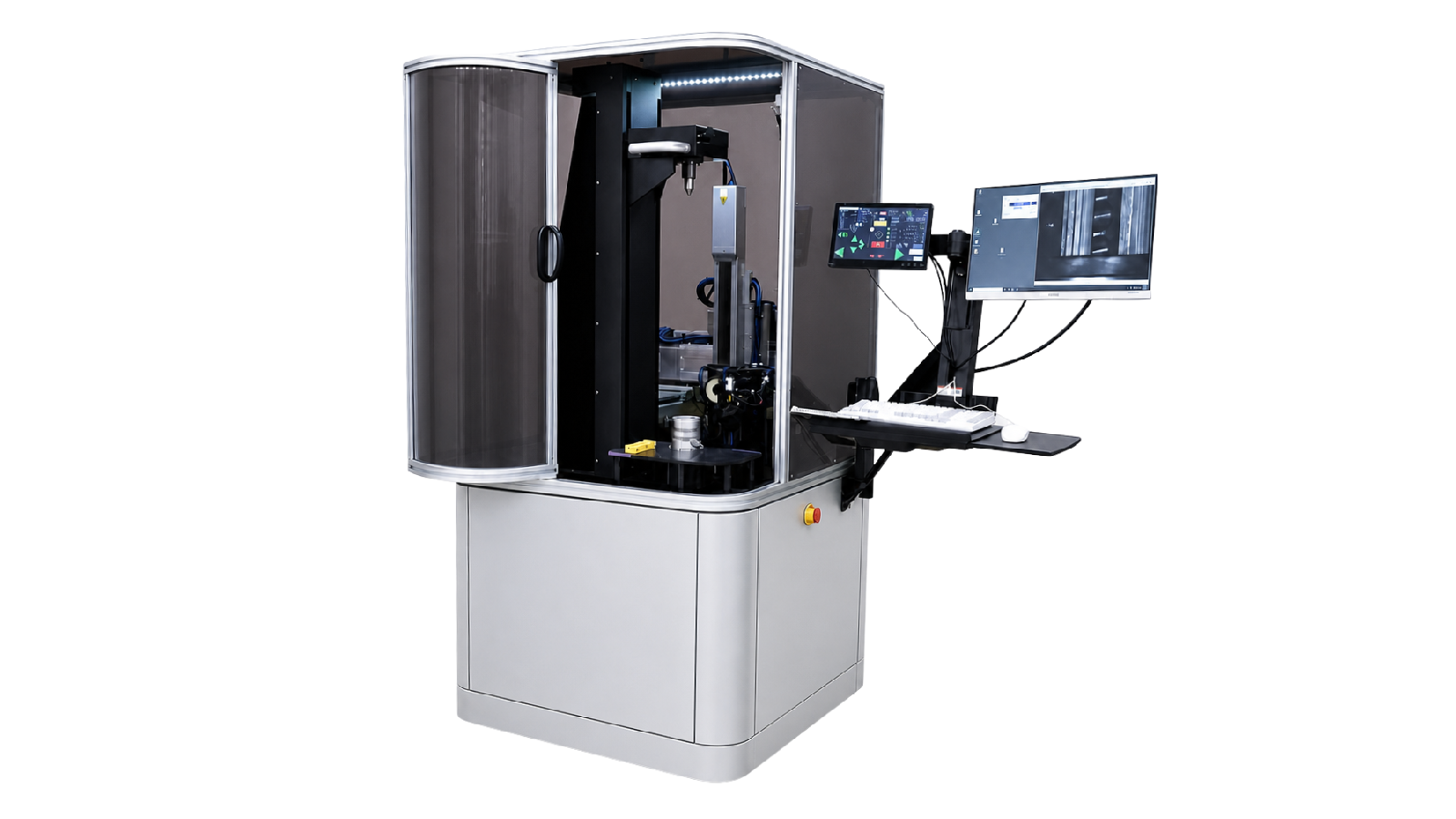
Developed by Nidec RoboCam combines robotic camera-based inspection with artificial intelligence to evaluate the condition of gear cutting tools. The system is intended to provide manufacturers with an automated method of monitoring tooling condition, with the aim of supporting decisions around tool performance, maintenance and replacement.
Gear cutting tools are subject to progressive wear during manufacturing. Monitoring their condition is important because tool degradation can affect machining performance and ultimately the quality of the gears being produced. In conventional manufacturing environments, tool inspection can involve manual examination or inspection at intervals determined by production schedules.
RoboCam is designed to automate this process by using a robotic system to position a camera for inspection of the cutting tool. Artificial intelligence is then used to evaluate the captured imagery and assess tool condition.
Automated Inspection of Cutting Tools
The use of robotics allows inspection to be incorporated into a more automated manufacturing workflow. Rather than relying solely on an operator to visually examine a tool, RoboCam can acquire images as part of a defined inspection process.
The AI-based evaluation provides an additional layer of analysis, allowing the system to identify and assess changes in tool condition from the acquired images. This approach is intended to provide manufacturers with more consistent information about tooling condition and its progression over time.
For gear manufacturers, the ability to monitor tool condition can be particularly relevant to process control. Cutting tools that remain in service beyond their useful condition can affect machining performance, while replacing tools unnecessarily can increase tooling costs and interrupt production.
An automated inspection system therefore has the potential to support a more condition-based approach to tool maintenance.
Linking Inspection With Tooling Performance
RoboCam is positioned not simply as an imaging system, but as a tool-condition monitoring solution. By applying AI to the inspection process, the system is intended to help manufacturers use visual information to make decisions about tooling.
This could include determining whether a tool remains suitable for production, identifying tools requiring attention, and supporting maintenance planning. The objective is to move tool inspection from a periodic manual task toward a more repeatable and data-driven process.
The approach also reflects a broader trend in manufacturing metrology and inspection, where artificial intelligence is increasingly being applied to interpret inspection data rather than simply acquire it.
In this context, the camera provides the measurement input, while the AI-based analysis provides the means of interpreting the condition of the tool.
Potential Role in Automated Manufacturing
The introduction of robotic inspection also provides a route toward integrating tool monitoring with automated production systems. Where tooling inspection can be performed with limited operator intervention, inspection activities can potentially become part of the overall manufacturing workflow.
For manufacturers operating high-volume gear production, such automation could help reduce the amount of manual inspection required while providing a more systematic record of tool condition.
The effectiveness of such an approach will ultimately depend on factors including the ability of the vision system and AI algorithms to distinguish relevant forms of tool wear and damage, the consistency of image acquisition, and how inspection results are incorporated into production and maintenance decisions.
RoboCam’s first public showing at IMTS 2026 provides an opportunity for manufacturers to assess how the system approaches these challenges and how robotic inspection could fit into existing gear manufacturing processes.
As AI-based vision systems become increasingly capable of interpreting industrial imagery, applications such as cutting tool inspection illustrate a shift from automated image capture toward automated assessment. For gear manufacturers, that could provide another route to improving tooling utilisation while making maintenance decisions based more directly on observed tool condition.
For more information: www.nidec-machinetoolamerica.com