Phase 3D Launches Purpose-Built Inspection Hardware for Laser Powder Bed Fusion
Phase3D is introducing the next generation of Fringe Inspection, the result of a multi-year development project to create purpose-built inspection hardware for laser powder bed fusion (LPBF). The new product marks a major step in Phase3D’s evolution toward scalable OEM integration.
The development moves Phase3D beyond an architecture assembled from off-the-shelf components to a custom-designed product made for volume production. With machine integration and fleet deployment at the center of the design, Phase3D is preparing to scale alongside manufacturers as additive production expands.
For manufacturers, scaling inspection means bringing the same measurement capability to more machines and production locations. For OEMs, it means incorporating inspection into their platforms with hardware developed for that role. The next generation of Fringe Inspection is designed around both requirements, establishing a foundation for repeatable deployment as manufacturing capacity grows.
“This is the result of years of development focused on what comes next for additive manufacturing,” said Dr. Niall O’Dowd, Founder and CEO of Phase3D. “We have built a product specifically for LPBF, with the computing and connectivity to support OEM integration from the outset. We want manufacturers to know that Phase3D is preparing to scale with them.”
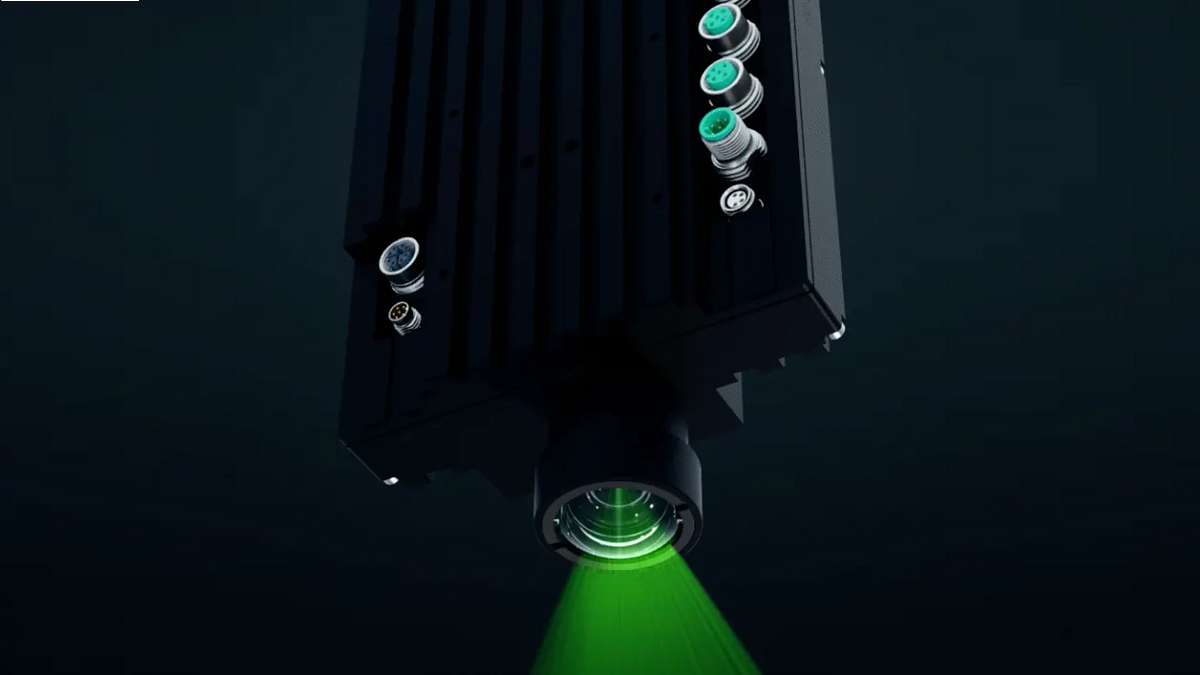
At the heart of the product is a customized projector developed specifically for the demands of LPBF inspection. Integrated IPC, GPU, and memory bring computing into the hardware architecture, and internal storage. An aluminum enclosure with passive cooling completes a design that brings projection, processing, and storage together in one purpose-built package.
Fringe Inspection offers a range of connectivity and triggering options to simplify machine integration. M12 connectors serve camera data, power, local and machine networks, and inputs and outputs. Four hardware trigger channels accept 5–24 V signals, with additional options for software triggering and hands-off triggering using distance and light sensors. This flexibility accommodates different machine interfaces and inspection workflows as OEMs incorporate Fringe Inspection into their platforms.
These specifications support a larger ambition: making quantitative inspection practical to deploy across a fleet. By taking ownership of the hardware design and developing it for volume production, Phase3D is building the product foundation to support manufacturers beyond a single installation and into broader production use.
Fringe Inspection uses structured light to measure the build surface during additive manufacturing, producing quantitative, layer-by-layer height data. Engineers can use these measurements to investigate changes in the powder bed, locate anomalies, and quantify their magnitude. The next-generation product advances how this measurement capability can be integrated into production equipment and deployed as operations expand.
For more information: www.phase-3d.com