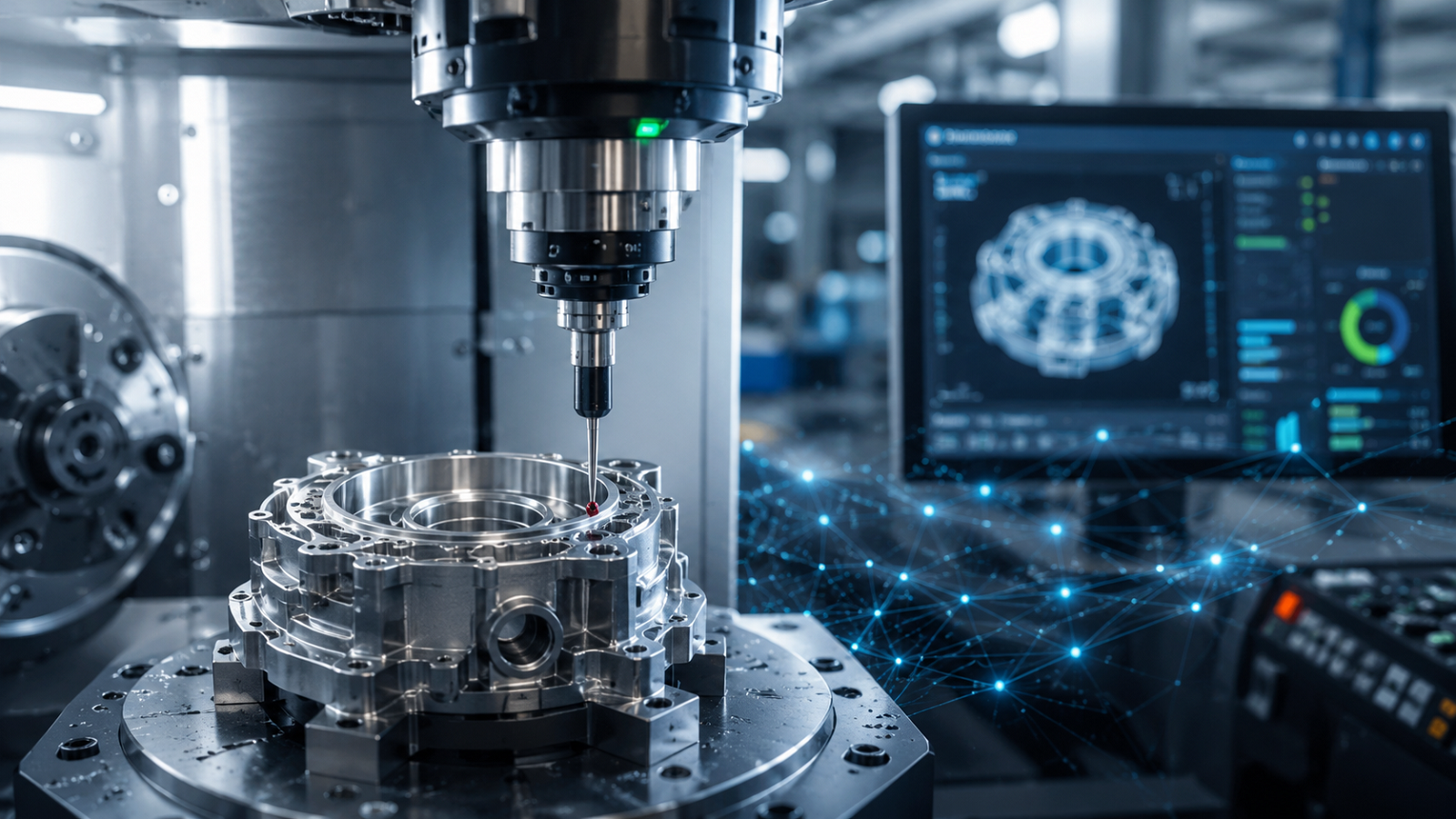
Integrated Inspection for Smarter Manufacturing
Manufacturing industries continue to evolve rapidly as businesses focus on higher efficiency, tighter tolerances, and improved product quality. In highly competitive sectors, even the smallest production error can lead to material waste, operational downtime, and costly defects. This is why advanced inspection systems are becoming increasingly important across modern industrial environments.
Technologies related to On Machine Inspection are helping manufacturers improve quality control processes by enabling real-time measurement and verification directly during machining operations. Instead of waiting until production is complete to identify issues, manufacturers can now detect inaccuracies much earlier in the process.
This shift toward real-time inspection is transforming how precision manufacturing facilities operate.
The Growing Importance of Accuracy in Manufacturing
Precision has become one of the most critical requirements in modern production environments. Industries such as aerospace, automotive, medical devices, and industrial engineering all require components that meet extremely strict tolerances.
Even minor dimensional inconsistencies can create serious performance issues. In some industries, these defects may compromise product safety, reliability, or compliance standards.
Traditional inspection methods often involve removing parts from machines and transferring them to separate quality control stations for measurement. While this process can identify defects, it also introduces delays and increases production downtime.
Modern manufacturers are increasingly adopting integrated inspection technologies that help improve efficiency while reducing the risk of costly errors.
Reducing Downtime and Improving Productivity
One of the biggest challenges in manufacturing is maintaining productivity without sacrificing quality.
Machine downtime can significantly affect operational costs and delivery schedules. If errors are detected too late in the production cycle, manufacturers may need to:
- Rework components
- Eliminate defective parts
- Restart machining processes
- Delay shipments
Real-time inspection systems help minimize these risks by allowing operators to monitor dimensional accuracy directly during production.
By identifying issues earlier, manufacturers can make immediate adjustments before problems escalate. This improves workflow efficiency and helps maintain consistent production quality.
Why Real-Time Measurement Matters
Manufacturing environments operate under strict performance expectations. Businesses are expected to produce high-quality components quickly while minimizing waste and operational inefficiencies.
This is where real-time inspection technology provides significant value.
Solutions associated with on machine inspection support manufacturing operations by enabling direct verification of part dimensions while machining processes are still active.
This reduces the need for unnecessary interruptions and improves overall process control.
The ability to inspect parts without removing them from production equipment creates a more streamlined manufacturing workflow.
Improving Consistency Across Production Runs
Consistency is essential in industries that rely on precision-engineered components. Variations between production batches can lead to assembly issues, product failures, and customer dissatisfaction.
Advanced inspection systems help manufacturers maintain tighter quality standards by ensuring each component meets required specifications throughout the production process.
This level of consistency becomes especially important in high-volume manufacturing environments where even small inaccuracies can multiply into major operational problems.
Automated inspection technologies also reduce the possibility of human measurement errors, improving overall reliability.
The Role of Automation in Modern Quality Control
Automation continues to reshape industrial manufacturing processes across multiple sectors.
Businesses are increasingly investing in smart manufacturing systems that combine:
- Automation
- Data analysis
- Real-time monitoring
- Precision measurement
- Machine integration
These technologies help create more efficient production environments while improving quality assurance capabilities.
Inspection systems integrated directly into machining processes align with the broader movement toward Industry 4.0 and intelligent manufacturing.
As factories become more digitally connected, real-time inspection and automated measurement are expected to play an even larger role in production optimization.
Supporting Cost Efficiency in Manufacturing
Quality-related production issues can become extremely expensive for manufacturers.
Costs associated with defective components may include material waste, production delays, additional labor, equipment downtime, customer returns and compliance failures. Early error detection helps reduce these risks significantly.
By improving process visibility and reducing unnecessary interruptions, integrated inspection systems support more cost-effective manufacturing operations.
Businesses that invest in precision quality control technologies often benefit from lower rejection rates, improved operational efficiency, improved product reliability and reduced production waste. Over time, these advantages can contribute to stronger overall manufacturing performance.
Enhancing Competitive Advantage
Manufacturing industries remain highly competitive, especially in sectors where quality and precision directly influence customer trust.
Companies that consistently produce reliable, high-quality components are more likely to build long-term partnerships and maintain strong industry reputations.
Advanced inspection technologies help manufacturers strengthen quality assurance processes while improving production confidence.
Midway through the ongoing transformation of industrial manufacturing, solutions connected to On Machine Inspection demonstrate how integrated quality control systems are becoming increasingly important for businesses focused on precision and operational efficiency.
The Future of Precision Manufacturing
The future of manufacturing will continue moving toward greater automation, smarter production systems, and tighter quality control standards. As industries demand faster production cycles and higher precision levels, manufacturers will need technologies that support:
- Real-time monitoring
- Automated quality verification
- Process optimization
- Reduced downtime
- Improved consistency
Integrated inspection systems are expected to become a standard part of advanced machining environments as businesses continue modernizing production operations.
Manufacturers that embrace these technologies today are likely to be better positioned for the future demands of industrial production.
Conclusion
Precision manufacturing depends heavily on reliable quality control processes. Traditional inspection methods alone are no longer sufficient for industries operating under modern production expectations.
Real-time measurement and integrated inspection technologies help manufacturers improve efficiency, reduce waste, and maintain tighter production tolerances throughout machining operations.
As manufacturing environments continue evolving toward smarter and more connected systems, advanced inspection solutions will remain a critical part of achieving long-term operational success and product quality.
For more information: www.mspltd.com