Plug-and-Play AI Inspection System Simplifies Industrial Quality Control
Modular plug-and-play inspection solution combines AI software, edge computing and IDS uEye XC cameras to enable fast, intuitive visual quality inspection without image processing expertise.
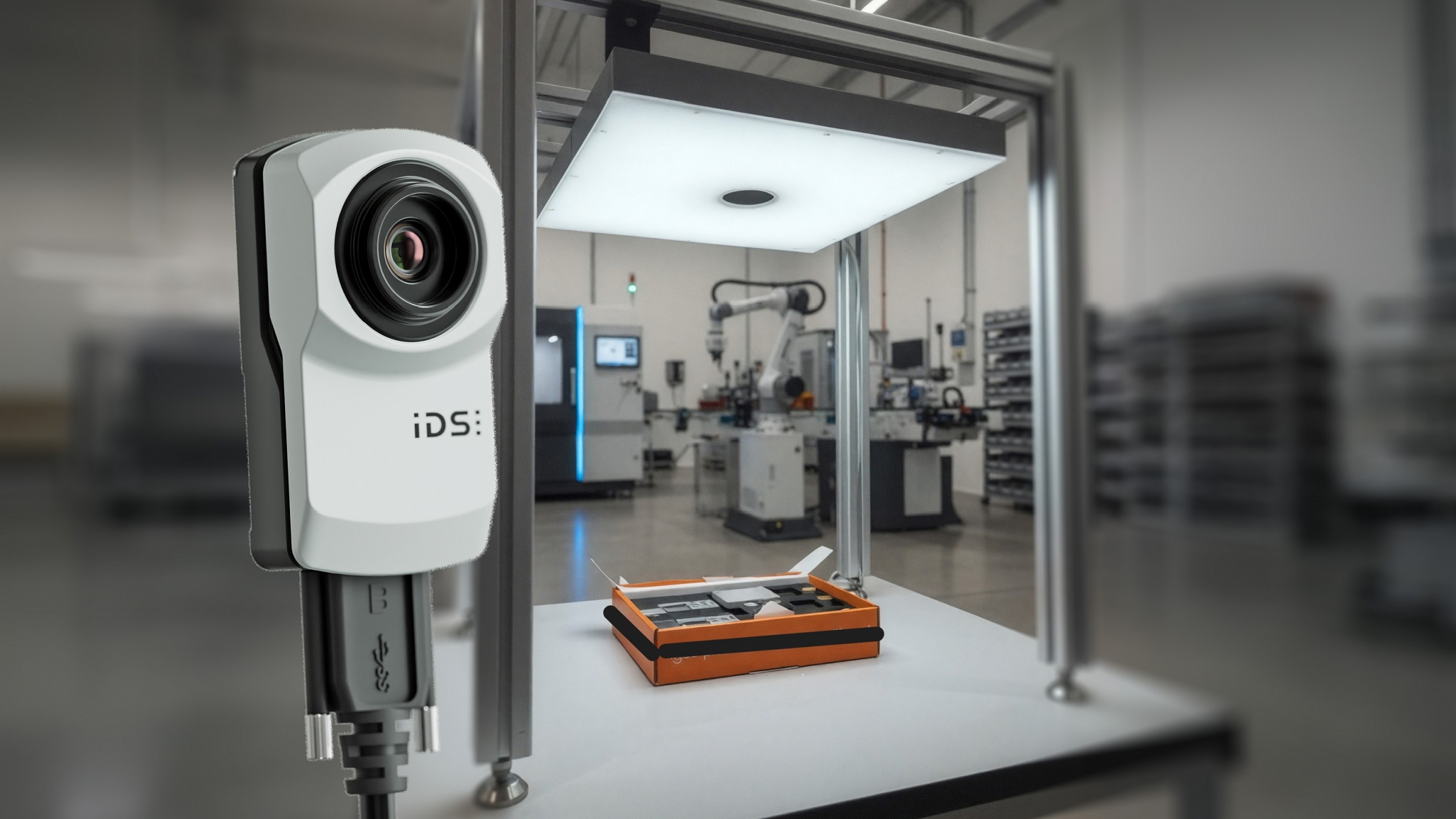
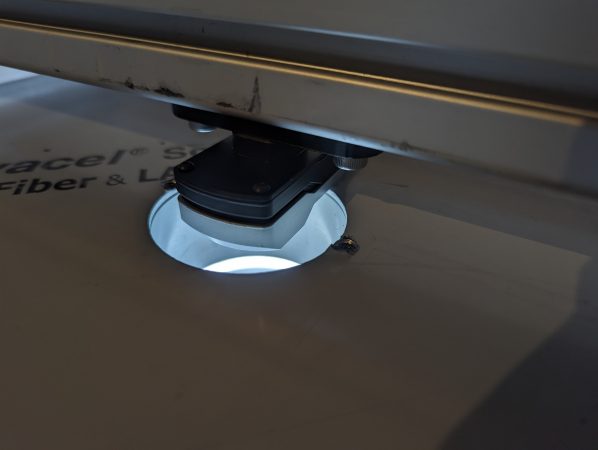
Quality control is under more pressure today than ever before: It must operate flexibly, precisely and economically. Industries such as automotive, mechanical engineering and electronics manufacturing test a growing variety of components – often under changing conditions and with minimal time for complex integrations. This is precisely where preML’s inspection solution comes in. It can be quickly integrated, is intuitive to use and enables even users without image processing knowledge to create AI-supported inspection models. Their modular design has proven itself in electronic assemblies, plastic parts and many other industrial applications. The system is supplied as a complete, modular kit – with camera, lighting, edge computing and pre-installed Software. This makes it a genuine plug-and-play solution for industrial quality control.
At the heart of the system is the IDS uEye XC industrial camera. Its 13-megapixel sensor delivers detailed images, while the autofocus ensures consistent sharpness – even with changing component heights, variable working distances or different surfaces.
Practical Inspection – from Plastic Parts to Circuit Boards
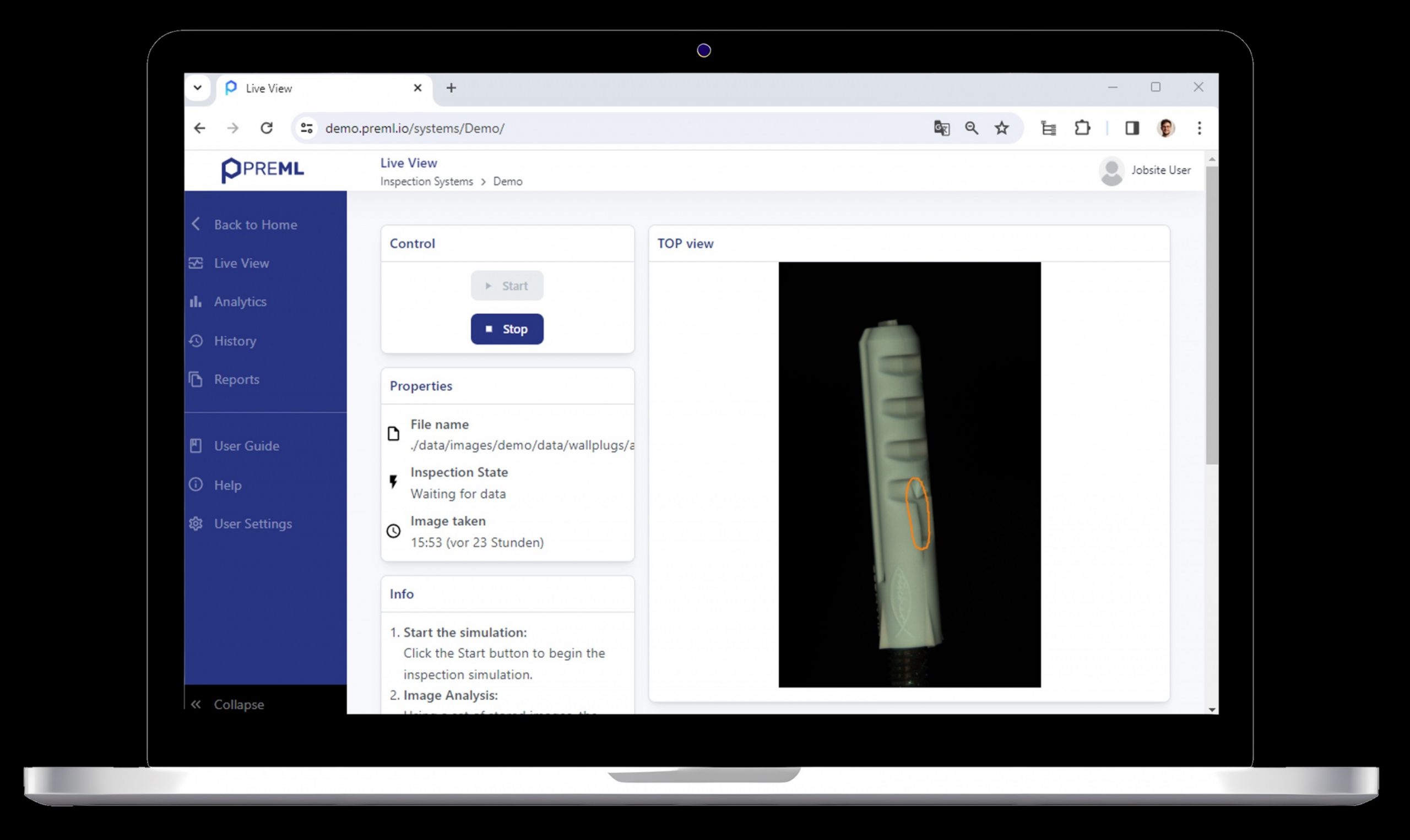
 In live operation of the preML Vision Lab software, the uEye XC captures a plastic dowel, for example, and automatically checks it for deviations. Test models can be created, managed and evaluated in real time directly on the device.
Electronics manufacturing provides a practical example: Tpo Thomas Preuhs GmbH uses the flexible inspection system to check manually assembled printed circuit boards. The combination of powerful camera technology and an AI-based inspection model opens up a new level of automation with minimal operating effort. David Fehrenbach, founder of preML, emphasizes its ease of use: “Our solution fills a crucial gap in the market. For the first time, skilled personnel without knowledge of image processing or AI can independently, intuitively and directly teach, manage and perform visual quality inspections on the device itself.”
uEye XC – Image Quality and Ease of Use
The uEye XC combines the ease of use of a webcam with the reliability of an industrial camera. A single cable connection is all that is needed for installation and commissioning – an advantage in manufacturing environments where systems are frequently converted or expanded. Inside, the 13 MP sensor AR1335 from onsemi delivers high-resolution images for reliable fault detection. The autofocus sharpens automatically and maintains consistent image quality, even with varying object distances.
Quality Control Without Expert Knowledge
The solution can be adapted to new products in just a few minutes; test models can be created and expanded without any programming knowledge. Fehrenbach explains: “Our solution combines the best of both worlds: the performance of turnkey inspection systems with the flexibility of customizable software functions. At the same time, it impresses with the operating logic and cost-effectiveness of a smart camera.”
Market development: Flexibility, cost-effectiveness, independence
“The market is clearly moving towards greater flexibility and independence – away from heavy dependence on integrators,” says Fehrenbach. Many manufacturing companies are clearly feeling the effects of this development: They want systems that can be adapted without external specialists, can be quickly reconfigured and can be operated economically. At the same time, price pressure is increasing due to a growing variety of available solutions, making short implementation times and low integration costs increasingly important. The modular preML system addresses these requirements and offers a correspondingly high degree of adaptability.
The system thus opens up new possibilities not only for today’s testing processes. It also lays the foundation for future, even more flexible inspection solutions, ranging from automated series testing to fully self-learning quality control. The next step in development is integration into robotics and automation solutions in order to further network testing processes and fully automate them.