Fluorescence-Based Metrology Drives Condition-Based Cleaning
In the precision-critical world of hydraulic manufacturing, ‘clean enough’ is no longer a measurable standard. Burnside Hydracyl, a leading manufacturer of hydraulic cylinders for the agricultural and industrial sectors, recently announced a significant shift in its quality control philosophy: moving from calendar-based maintenance to data-driven, condition-based monitoring.
By partnering with Dyne Testing, Burnside has successfully integrated the SITA Cleanospector into its washing processes, resulting in a documented annual saving of €7,500 per washer and enhanced compliance with ISO 4406:2021.
The Challenge: The Cost of Uncertainty
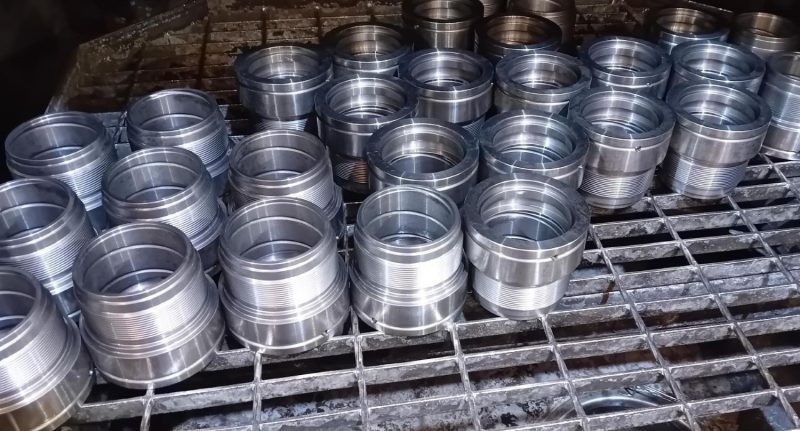 For nearly four decades, Burnside Hydracyl relied on scheduled monthly fluid changes for its cylinder washing machines. However, by early 2025, increasing customer demand for traceability and tighter cleanliness tolerances prompted Quality Engineer JJ Ryan to question the status quo.
The goal set by Managing Director Brendan Byrne was clear: find a quantitative method to measure cylinder cleanliness that could reduce waste and control unquantified running costs without compromising component integrity.
The Solution: Fluorescence-Based Metrology
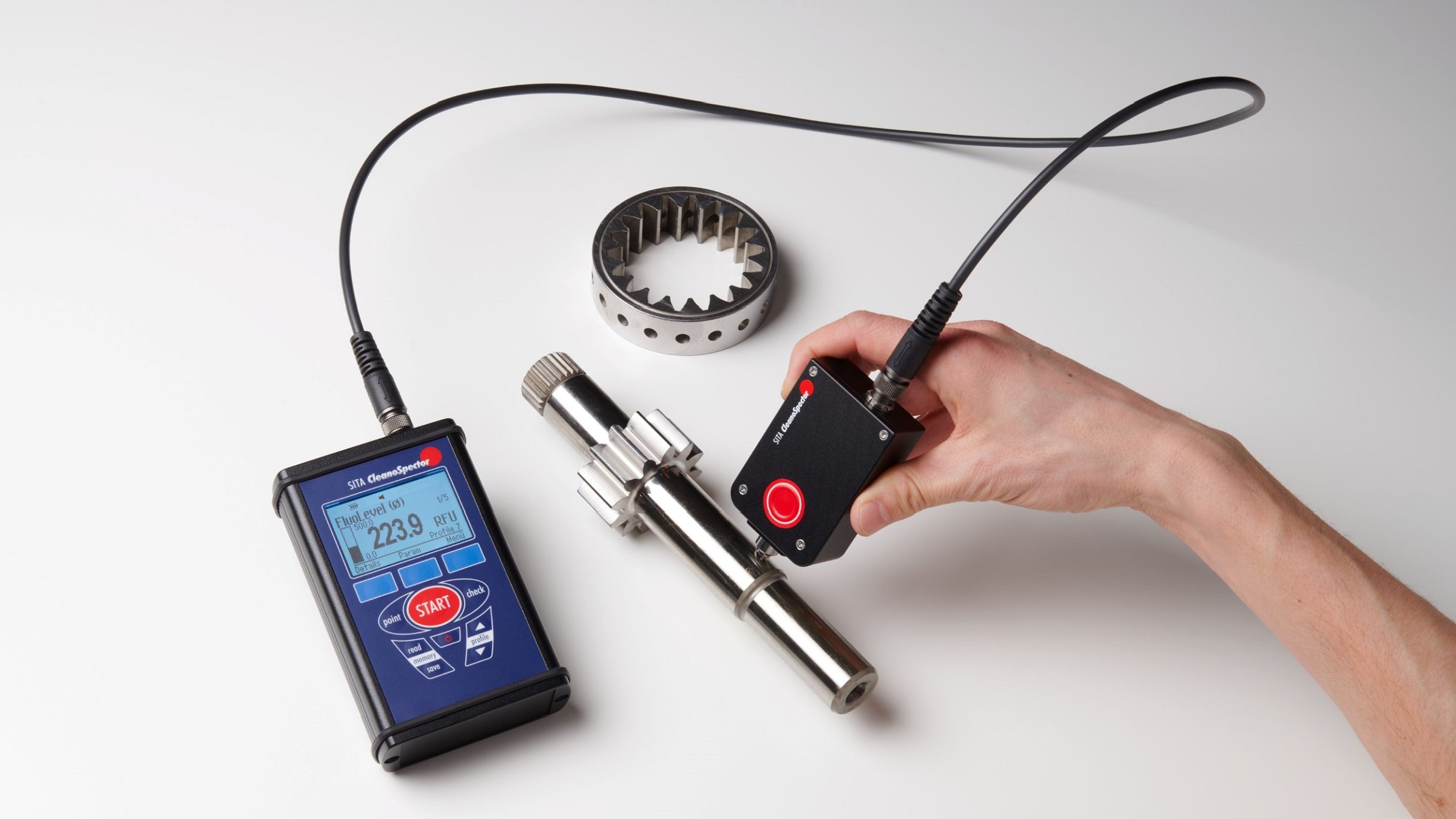
Working with Dyne Testing, Burnside trialed the SITA Cleanospector. The device utilizes UV fluorescence spectroscopy to detect residual organic contaminants. By illuminating metal surfaces with UV light, the sensor measures the intensity of the resulting fluorescence from oils, greases, and cooling lubricants.
The data is delivered instantly in Relative Fluorescence Units (RFU), providing a numerical value for surface cleanliness that allows for immediate pass/fail validation.
“This sort of insight was exactly what we were looking for,” noted JJ Ryan, after an initial audit with the device immediately flagged an anomaly in a specific washer, leading to the discovery of a mechanical fault within the washing chamber that would have otherwise gone unnoticed.
Results: Optimization and ISO Compliance
Since officially adopting the technology in March 2025, Burnside has transformed its maintenance workflow. Key outcomes include:
Fluid Longevity: Measurement data proved that contamination levels remained well within acceptable thresholds far beyond the traditional 30-day mark.
Cost Reduction: Fluid changes were reduced from 12 to seven per year, saving €7,500 per unit.
Standards Compliance: The consistency of the cleaning process has bolstered downstream contamination control, ensuring repeatable adherence to the ISO 4406:2021 hydraulic fluid particle coding standards.
As we move through 2026, Burnside plans further optimization across its entire fleet of washers, proving that in modern metrology, the most valuable tool is often the one that turns an assumption into a hard number.
For more information: www.dynetesting.com