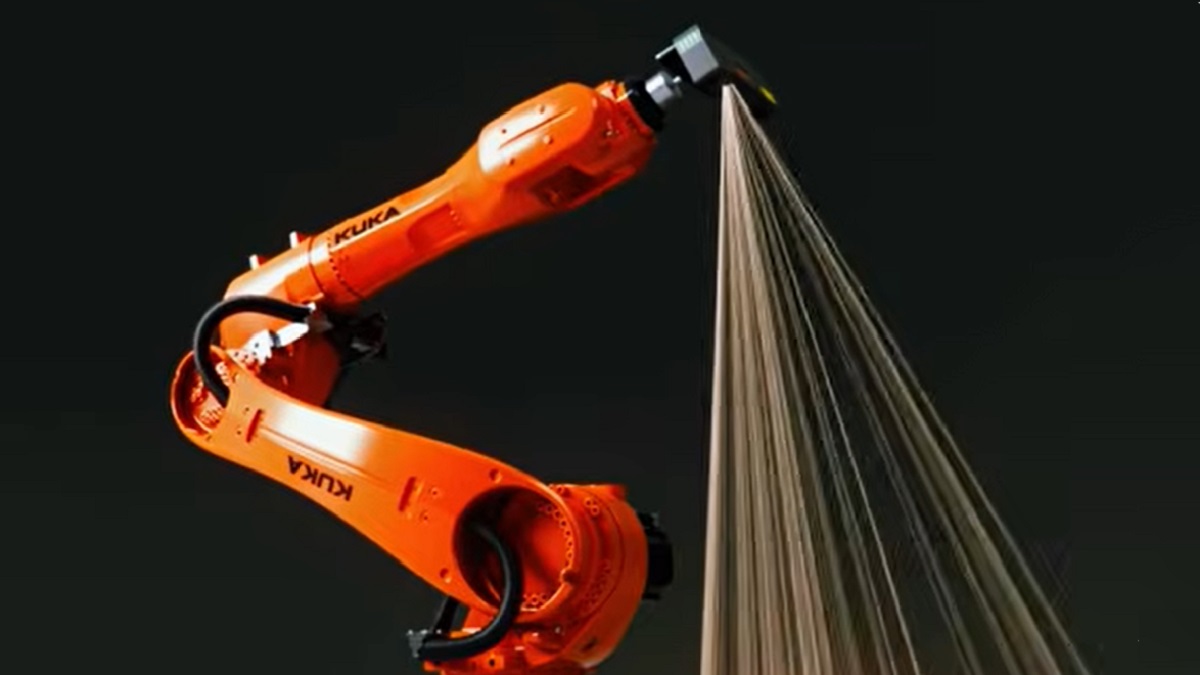
KUKA Launches AI-Powered 2D and 3D Vision System for Industrial Robotics
KUKA has introduced iiQKA.AI Vision, an AI-powered industrial image processing solution designed to simplify the integration of machine vision into robotic automation. Supporting both 2D and 3D vision, the system combines object recognition, position determination and gripping point calculation within KUKA’s automation ecosystem.
The solution is aimed at system integrators and manufacturers seeking to deploy vision-guided robotics without the complexity, specialist expertise and additional infrastructure traditionally associated with industrial image processing.
Applications include bin picking, assembly, quality control and depalletising. Configuration is carried out through a graphical interface in KUKA’s iiQWorks engineering suite, using drag-and-drop functionality, preconfigured application templates and guided workflows to support setup and commissioning.
Edge Computing Enables Local AI Processing
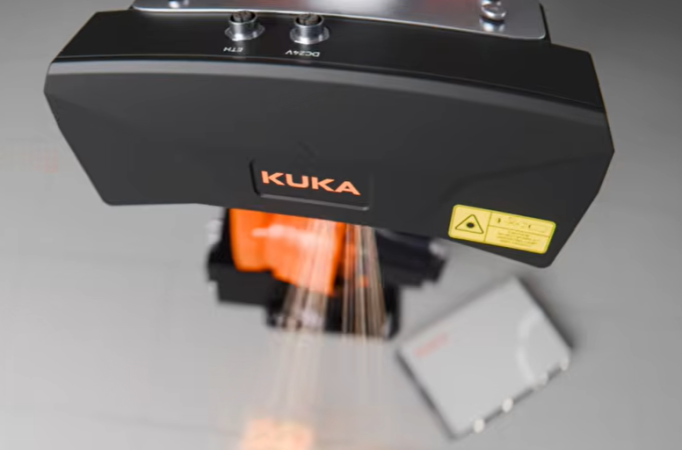 A key feature of iiQKA.AI Vision is its use of edge computing, with image processing and AI inference performed directly within the robot controller via KUKA’s AI Extension Platform. The integrated computing unit is based on the NVIDIA Jetson Orin module, providing processing capability for demanding vision and AI applications.
By processing images locally, the system reduces latency and removes the need for cloud connectivity or separate external computing infrastructure. Images are processed and stored on-board, supporting data security and enabling operation without dependence on a continuous network connection.
This architecture is also intended to reduce integration effort, simplify system design and lower total cost of ownership. Cameras and compatible components are available directly from KUKA and are designed to meet typical industrial requirements.
AI-Driven Object Recognition and Robot Guidance
The system’s AI algorithms are designed to distinguish objects from their backgrounds and identify suitable gripping points, including in applications involving varying components and changing lighting conditions.
Using image data or 3D point clouds, iiQKA.AI Vision calculates object positions and gripping information before transmitting the results directly to the robot controller. This enables the robot to respond to the detected position and orientation of parts, supporting automated handling and other vision-guided operations.
Integration with iiQWorks and the robot controller provides a consistent workflow from engineering and configuration through to deployment and operation. A web-based interface supports centralised system management and monitoring.
By combining vision processing, AI inference and robot control within an integrated environment, KUKA aims to make vision-guided automation more accessible to manufacturers without extensive machine vision expertise.
The system reflects a broader industry trend towards integrating machine vision, AI computing and robot control into unified automation platforms, reducing the complexity of deploying intelligent robotic applications.
For more information: www.kuka.com