Understanding Machine Vision: From Rule-Based Tools to AI-Powered Inspection
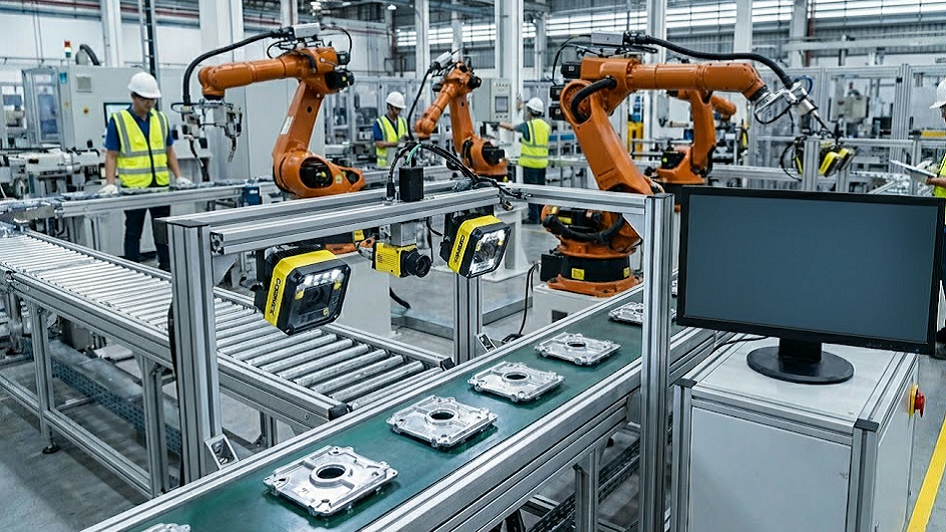
Machine vision is the automatic extraction of information from digital images for process or quality control. Most manufacturers use automated machine vision instead of human inspectors because it is better suited to repetitive inspection tasks. It is faster, more objective, and works continuously. Machine vision can inspect hundreds or even thousands of parts per minute, and provides more consistent and reliable inspection results 24 hours a day, 7 days a week.
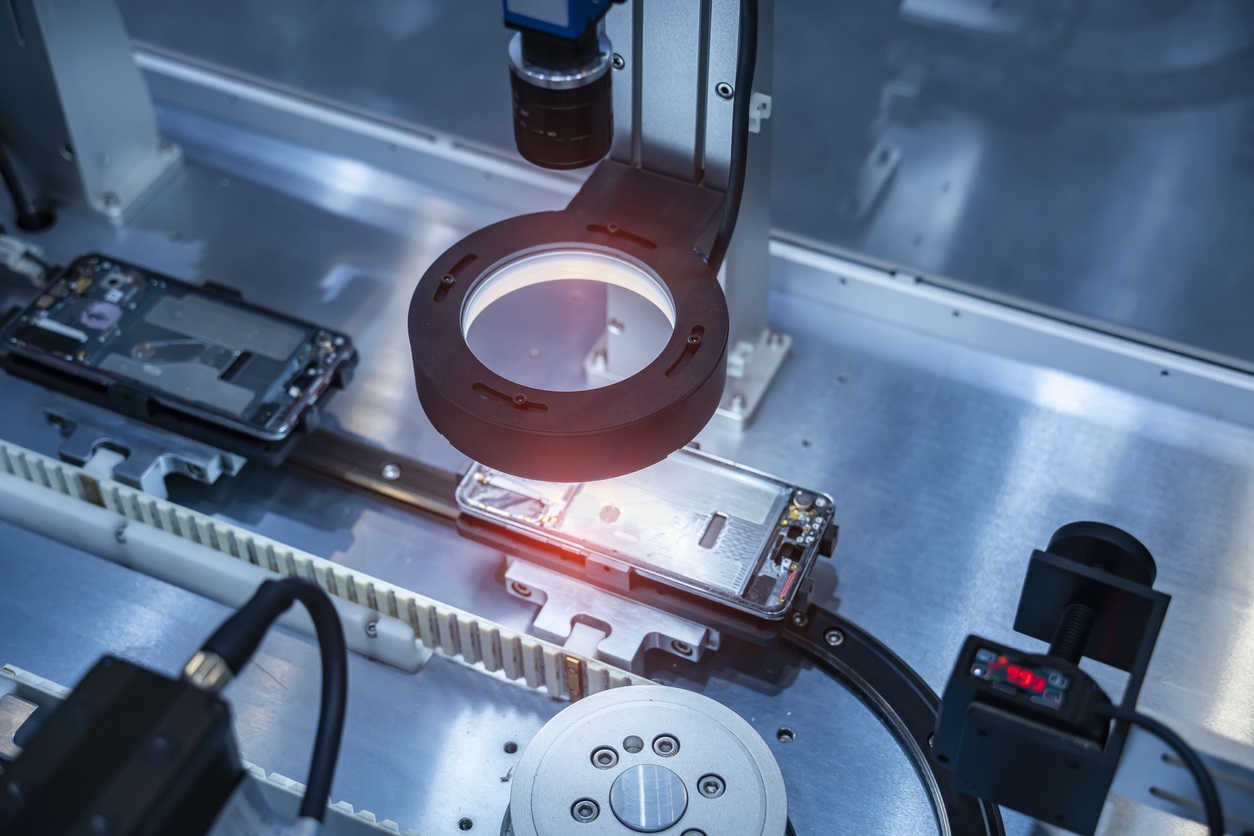
Machine vision is an essential component of how digital systems interact with the real world. It lets automated systems see components, products, patterns, codes, or other objects and use that information to make decisions.
Since it allows manufactured parts and products to be inspected, measured, and sorted, machine vision has vastly increased the power and flexibility of industrial automation. Machine vision does all this at high speeds and high accuracy, improving product quality and reducing waste.
Machine vision also lets automated equipment locate objects, identify them, and save information about their material, condition, orientation, and other details for later analysis. That data is critical to factories looking for efficiency gains.
And every package that makes its way through today’s automated logistics warehouses does so with the help of barcodes that are read by machine vision. Those codes are used to track and identify packages throughout their journeys, making sure they get to their intended destinations. All of these activities are powered by machine vision: cameras that let computers interpret real world objects. You may also hear products in this category referred to as “computer vision,” which is a broader term and sometimes describes more theoretical research systems that analyze images. Machine vision products, on the other hand, are practical, connected to industrial automation systems in factories and warehouses.
What are Benefits of Machine Vision?
Improve Product Quality: Products rejected for defects are a significant source of cost, waste, and reputational damage. Automated inspection
with machine vision improves speed and accuracy, catching problems of many kinds before they’re packaged or shipped and allowing human inspectors to be reserved for an increasingly small number of difficult cases.
Trace Parts and Products: By reading codes on products and packages at every step from initial production to shipping to final sale, machine vision systems can provide critical tracking information. This lets shippers know their current location, quickly detect any delays or shipping errors, and trace any damage or other problem back to its source.
Improve Processes: Machine vision instantly detects changes in product quality and keeps a visual record of every step in a product
lifecycle. This form of big data reveals process bottlenecks, declining machine function, and common sources of error, making continuous process improvement possible.
Increase Productivity/Overall Equipment Effectiveness: Machine vision systems speed up operations and decrease cycle times, and their performance doesn’t deteriorate over the course of a shift. They provide the information to make the most efficient use of every piece of equipment on the floor.
Reduce Waste: By catching manufacturing flaws, identifying overfill, or pinpointing the causes of defects, machine vision can reduce waste and scrap rates in multiple ways. Over time, this can help control overhead and bring down raw materials costs.
Ensure Compliance: The machine vision-generated data and images used to make process improvement decisions also provide the data needed to comply with reporting regulations in industries like pharmaceuticals, medical devices, automotive, food and beverage, and more.
Rule-Based vs AI-Powered Machine Vision
There are two ways machine vision can be used to make decisions such as counting, classifying, or approving and rejecting items. Rule-based
systems follow user-programmed, step-bystep instructions to interpret images and make decisions. In contrast, artificial intelligence or AI-powered systems use a database of reference images to “learn” how to make decisions. While rule-based machine vision is still the prevalent technology, various types of AI-powered machine learning have become capable and flexible enough to take over in many applications. Often, a combination of rule-based and AI-powered machine learning can provide the most efficient solution.
The above is an extract from the Cognex whitepaper – ‘Introduction To Machine Vision’. Download the full whitepaper.
For more information: www.cognex.com